Shopify vs Etsy 2025: Why 40% of Sellers Switch
Shopify vs Etsy compared in 2025. See real fee breakdowns, traffic data, and why 40% of Etsy sellers are moving. Includes migration checklist.
TL;DR — : This comparison analyzes key differences in features, pricing, and usability to help you choose the best platform for your business needs and growth objectives.
What should you know about introduction?
Thinking about starting your own online store? Shopify and Etsy are two of the most popular platforms for eCommerce beginners. This guide will help you decide which one fits your business best in 2025.
Choosing the right platform is the first big decision for any online seller. Etsy provides a quick, low-cost way to reach a built-in audience (especially for handmade or vintage goods), while Shopify provides a fully customizable storefront and scalability for growing brands.
What is the 2025 platform shift: what’s really happening?
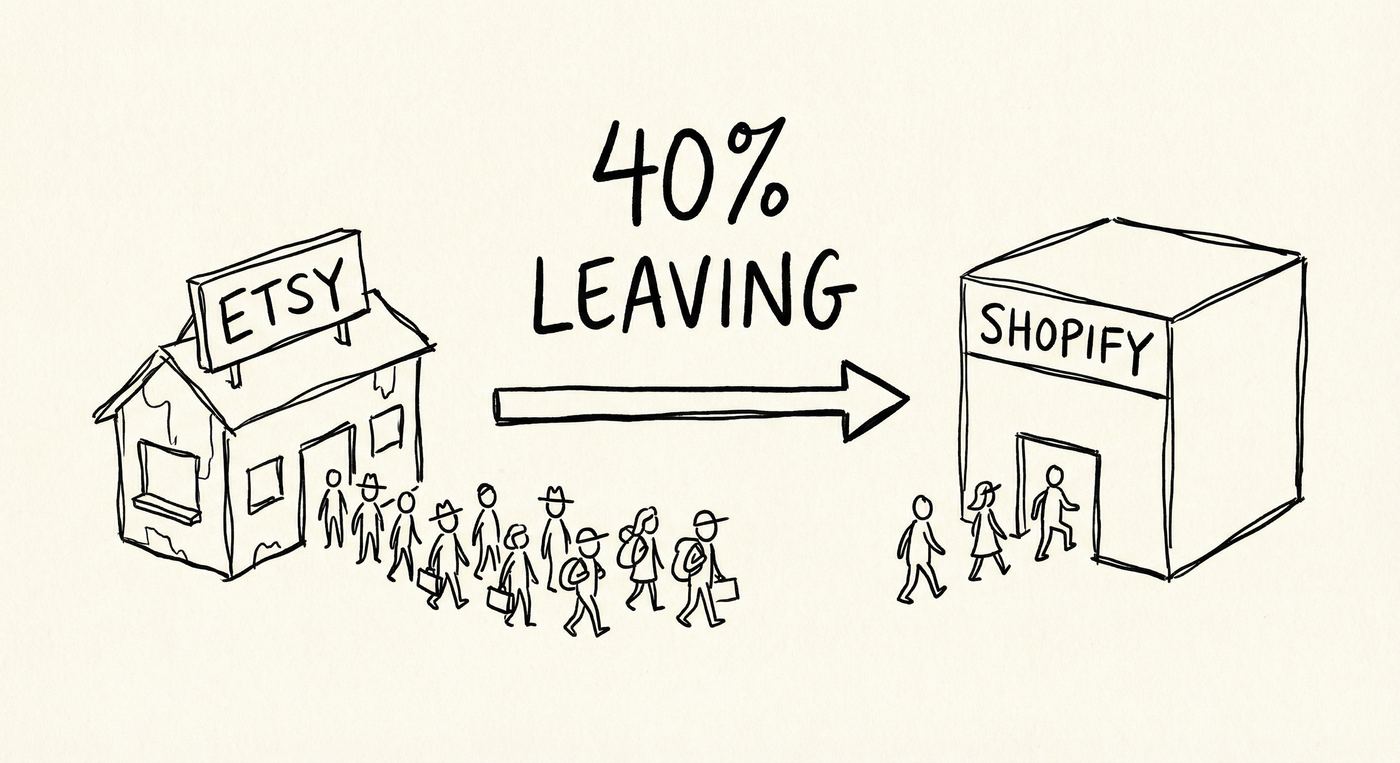
Breaking: Etsy’s active seller base has collapsed 40% while Shopify reports record merchant growth
The numbers tell a stark story. Etsy’s Q1 2025 marketplace sales dropped 8%, with sellers reporting overnight traffic stops and technical issues preventing buyer reviews. One UK seller watched their US sales plummet from 40% to 13% of revenue in just three months.
Meanwhile, Shopify has responded with aggressive pricing ($1/month for 3 months) and revolutionary AI tools, positioning itself as the clear alternative for serious sellers.
Why this matters for you:The platform you choose in 2025 isn’t just about fees—it’s about joining a thriving system versus a declining marketplace.
What should you know about ease of getting started: quick launch vs. brand building?
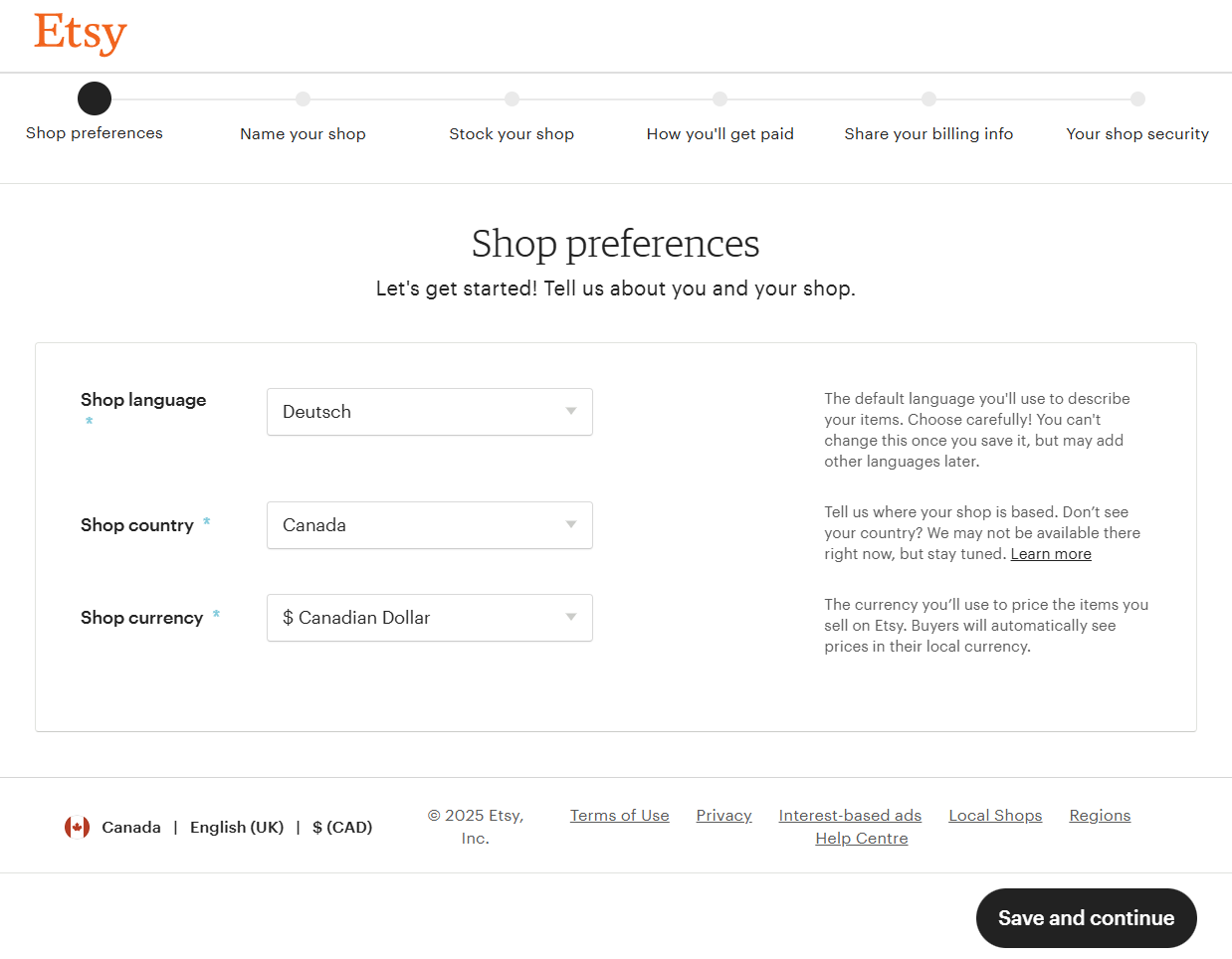
Etsy: The 15-Minute Setup
- Create account → List product → Start selling
- No technical knowledge required
- Built-in marketplace templates
- New in 2025:$15 one-time setup fee for new shops
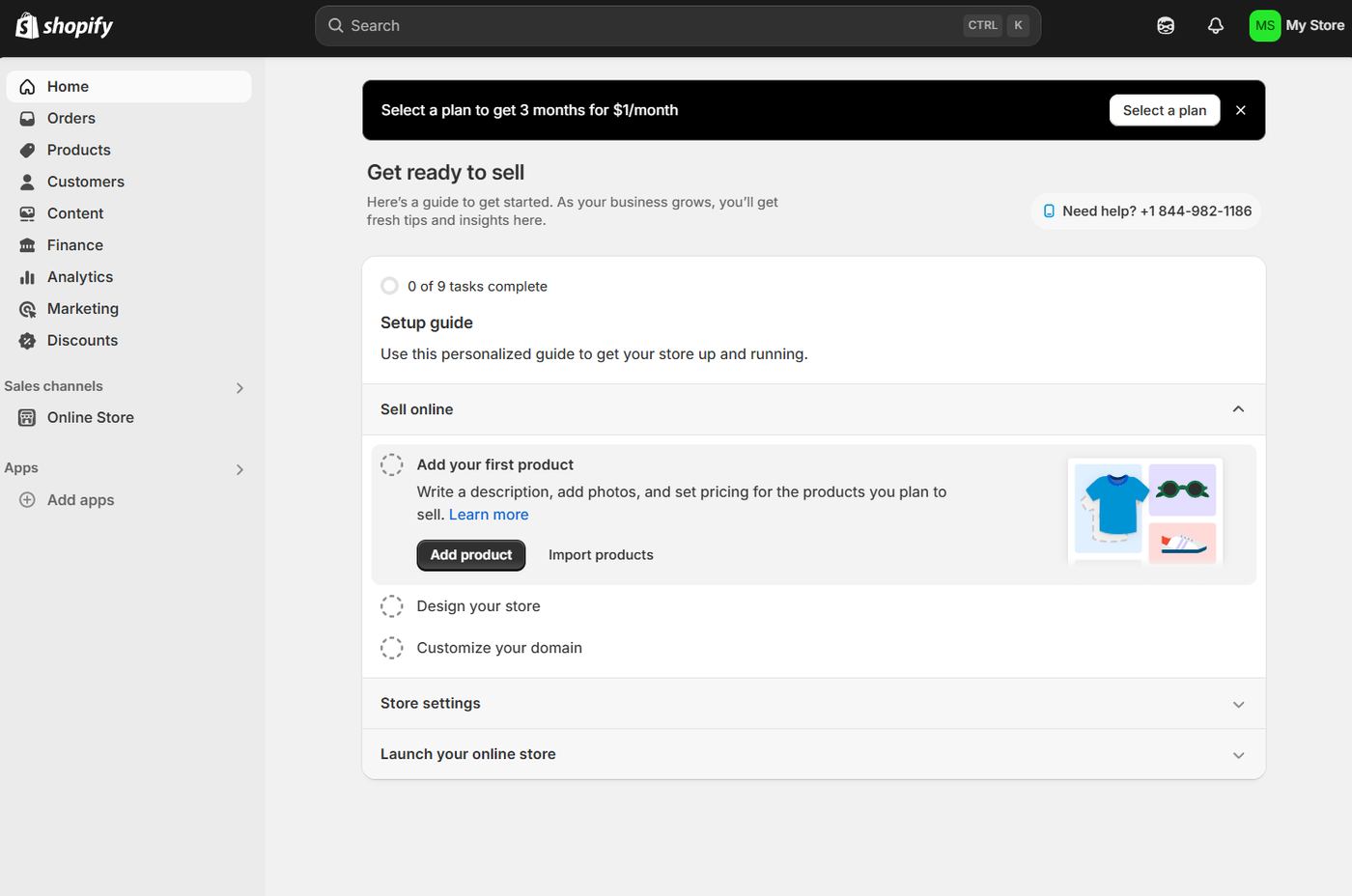
Shopify: The Professional Approach
- AI Store Builder(NEW): Enter keywords, get 3 complete store designs in minutes
- 3-day free trial + $1/month for first 3 months
- Drag-and-drop editor with 100+ themes
- Shopify Magic: AI generates product descriptions, edits images, creates content
Winner for beginners:Etsy (if you’re testing ideas)
Winner for serious sellers:Shopify (especially with new AI tools)
If you’re a beginner, Etsy is one of the easiest ways to start selling online. You just need an account and a product — the platform guides you through listing your first item within minutes.
There’s no need to worry about hosting, coding, or web design. The seller dashboard is simple and beginner-friendly, making Etsy ideal for side hustlers and craft sellers who want to start fast.
What should you know about customization & branding: renting vs. owning?
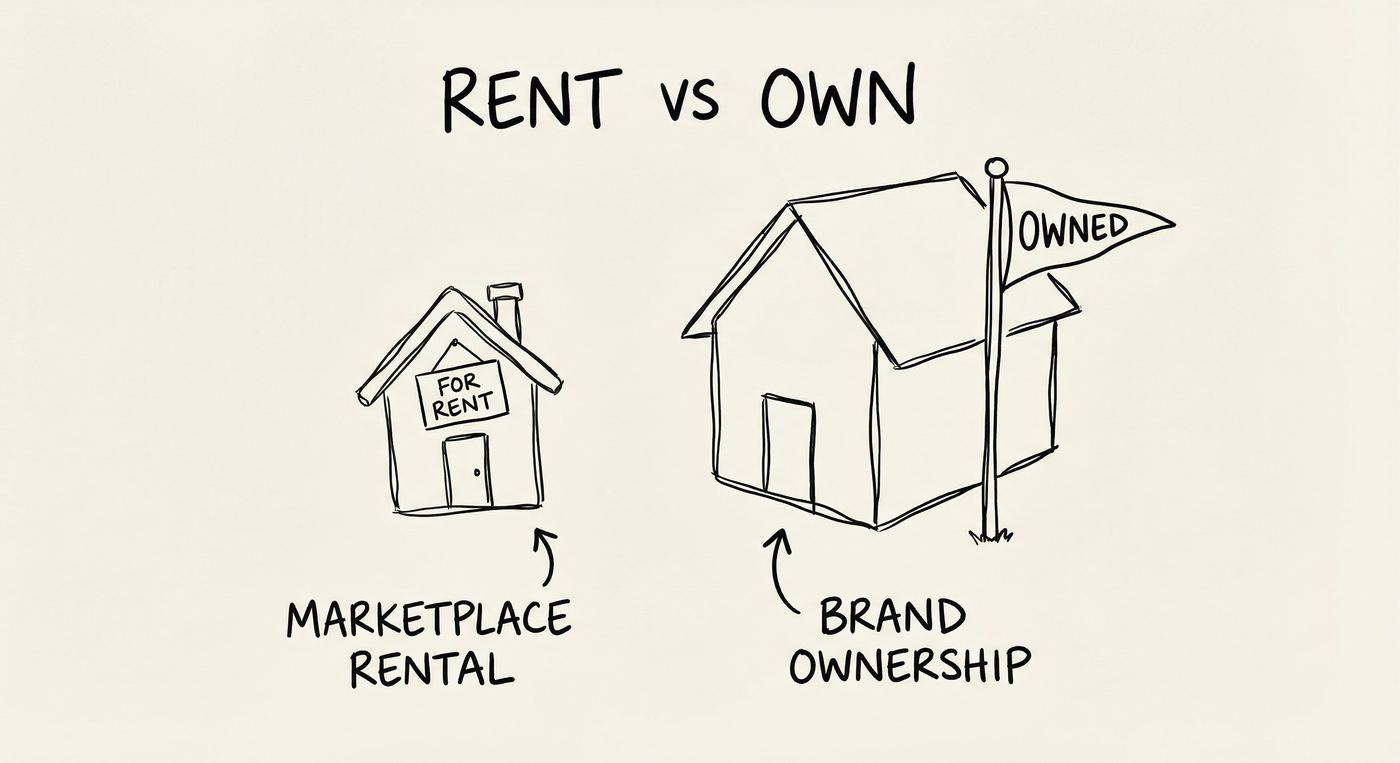
The difference here is night and day:
Shopify: Your Store, Your Rules
- Full design control: Custom domains, unlimited pages, unique layouts — including advanced product customization options
- No platform branding: Customers see only your brand
- Advanced has: 15,000+ apps for any functionality
- Mobile optimization: Responsive designs with app-specific has
- Customer data ownership: Build email lists, retarget customers, own relationships
Etsy: One Size Fits All
- Fixed marketplace format: All shops look identical
- Etsy branding everywhere: You’re always “YourShop on Etsy”
- Limited customization: Logo, banner, and description only
- No customer data access: Can’t export emails or build direct relationships
- Pattern website($15/month): Still limited compared to Shopify
Critical insight:On Etsy, you’re building Etsy’s business. On Shopify, you’re building your own.
How do the real cost comparison: 2025 pricing breakdown?
Cost is a important factor when comparing Etsy and Shopify. Etsy has no monthly subscription but charges per listing and transaction, while Shopify has monthly plans but fewer surprise fees per sale. Use our Etsy vs Shopify calculator to compare costs for your specific situation.
| Fee Type | Etsy | Shopify |
|---|---|---|
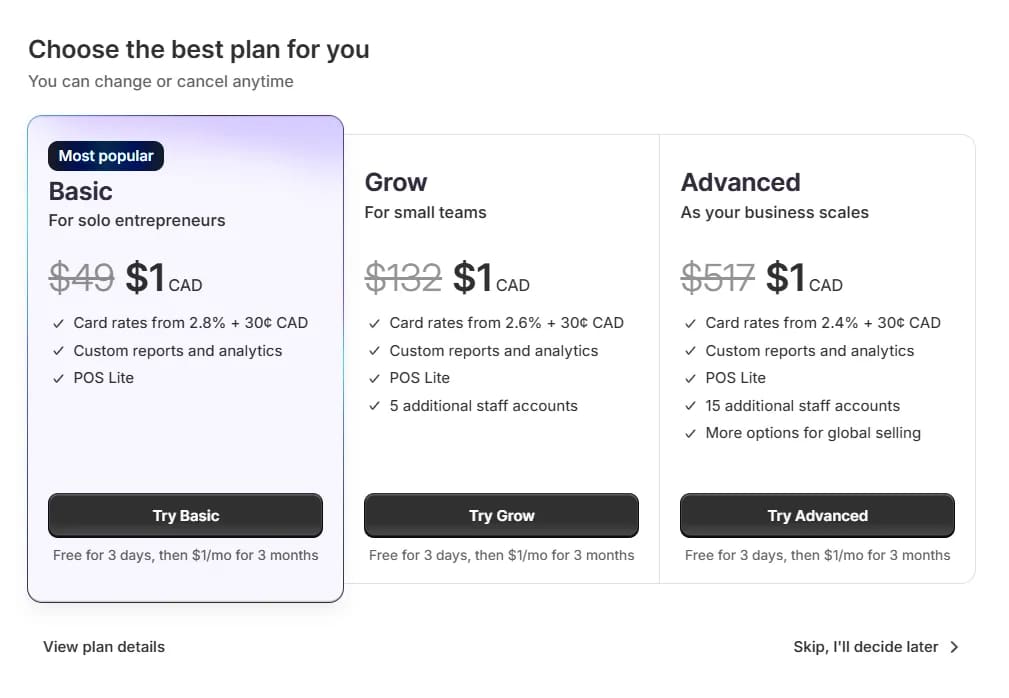
| Monthly Base | $0 (but hidden costs add up) | $1/month first 3 months, then $39 |
| Per Listing | $0.20 per item (4 months) | $0 (unlimited products) |
| Transaction Fee | 6.5% of total sale | 0% with Shopify Payments |
| Payment Processing | ~3% + $0.25 | ~2.9% + $0.30 |
| Offsite Ads | 12-15% (mandatory for $10k+ sellers) | You control ad spend |
| Customer Data | Not available | Full access included |
Real-World Example:
Selling a $50 item:-Etsy total fees:$4.85-11.35 (9.7%-22.7%) -Shopify total fees:$1.75 (3.5%)
At $5,000/month in sales:-Etsy costs:$485-1,135 -Shopify costs:$214 (including monthly fee)
What should you know about marketing & traffic: built-in audience vs. total control?
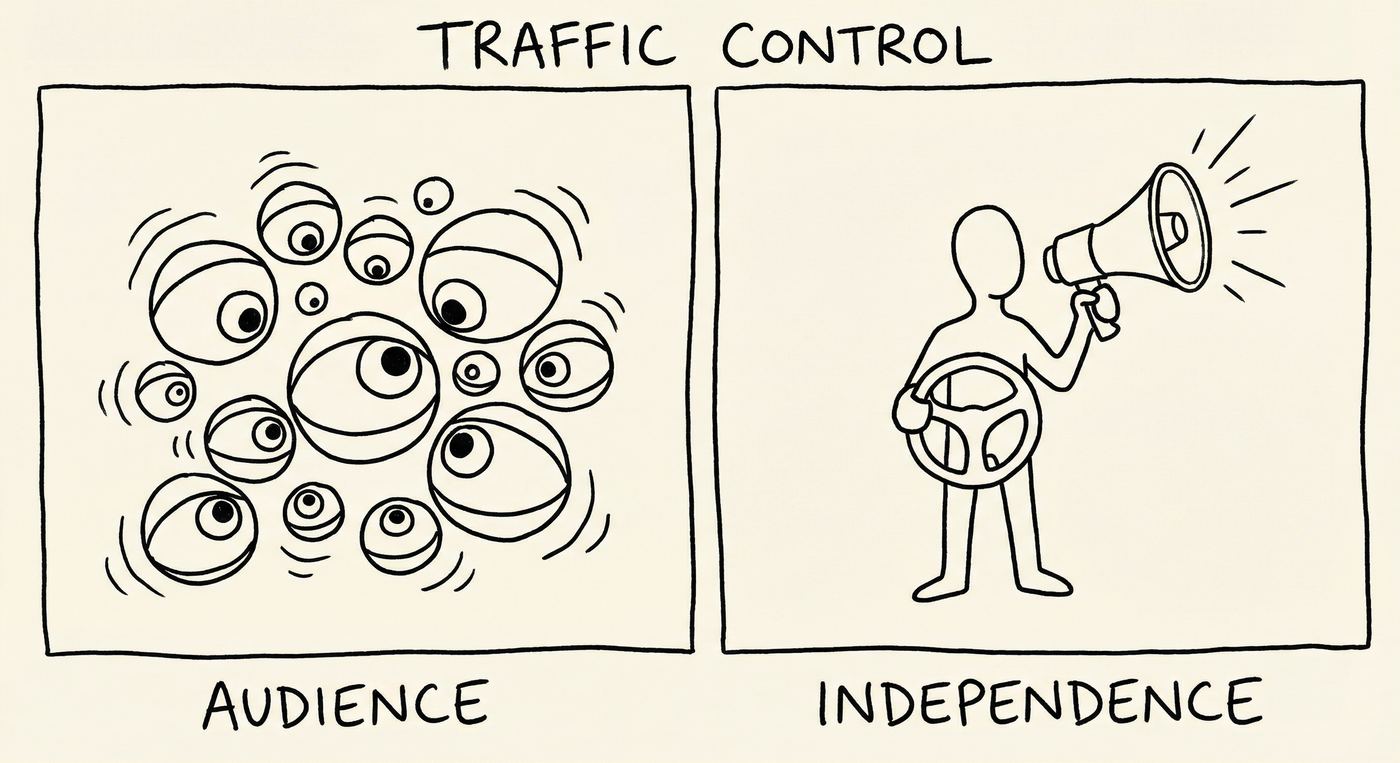
Etsy’s Marketplace Model
Pros:- 96 million active buyers visit monthly - Built-in search traffic - Immediate exposure for niche products
Cons:- Competing with 5.4 million other sellers - No email marketing allowed - Can’t retarget customers - Algorithm changes can kill traffic overnight - Mandatory offsite ads eat into profits
Shopify’s Independent Store Model
Pros:-Full marketing arsenal: Email, SMS, social media, SEO -Omnichannel selling: Instagram, TikTok, Amazon, Facebook -Shop Pay network: 150M+ opted-in buyers -AI-powered tools: Content generation, SEO optimization -Customer ownership: Build lasting relationships
Cons:- Must drive your own initial traffic - Requires marketing investment - Steeper learning curve
2025 Reality:Etsy’s “built-in traffic” advantage has eroded as sellers report “dead” marketplaces and brutal competition.
In summary:
- Etsy is budget-friendly for low-volume sellers.
- Shopify offers better long-term value and fee predictability for growing businesses, especially if you take advantage of the 3-month $1 offer.
What is the difference between shopify vs etsy: key differences at a glance?
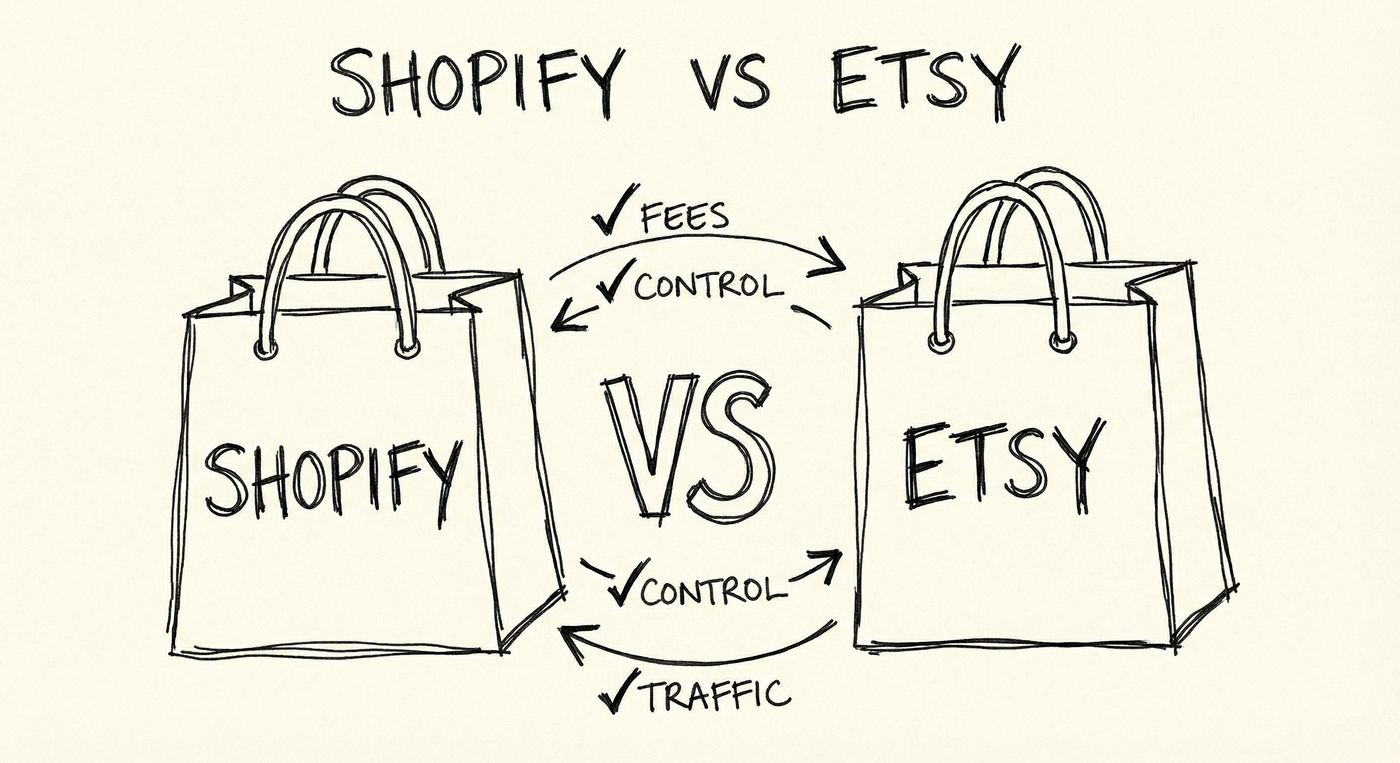
Below is a comparison table summarizing the key differences between Shopify and Etsy for sellers in 2025:
🛍️ Shopify vs Etsy: 2025 Comparison
| Aspect | Shopify | Etsy |
|---|---|---|
| 🎯 Best For | Building long-term brands; scalable businesses of any size | Beginners, artisans, hobbyists selling handmade/vintage items |
| 📦 Product Types | ✅ Unlimited variety - Physical, digital, services | ⚠️ Restricted - Handmade, vintage (20+ years), craft supplies only |
| 🚀 Setup Speed | ⚠️ Moderate - Website building required, but user-friendly | ✅ Very Quick - List products immediately, no web design needed |
| 🎨 Customization | ✅ Full Control - Your domain, branding, design freedom | ❌ Limited - Etsy branding visible, template-based shops |
| 💰 Cost Structure | Subscription Model | Pay-per-use Model |
| Monthly Fee | $39 (Basic) - $399 (Advanced) | $0 (standard plan) |
| Payment Processing | 2.4% - 2.9% + $0.30 | 3% + $0.25 |
| Per-transaction Fee | ✅ None (with Shopify Payments) | ❌ 6.5% transaction fee |
| Listing Fees | ✅ $0 | ❌ $0.20 per item |
| 📊 Traffic & Marketing | Self-Driven | Built-in Audience |
| Audience Access | ❌ No built-in traffic - requires marketing | ✅ Millions of existing shoppers |
| Marketing Tools | ✅ Extensive - SEO, ads, email, social media | ⚠️ Limited - Etsy Ads only |
| Customer Data | ✅ Full ownership - emails, retargeting | ❌ No access to customer emails |
| 📈 Growth Potential | ✅ Highly Scalable - Small to enterprise level | ⚠️ Moderate - Best for side businesses |
| 🏪 Platform Control | ✅ Full Ownership - Your store, your rules | ❌ Platform Dependent - Subject to Etsy's policies |
Who Should Choose What in 2025?
Choose Etsy If You:
- Sell truly handmade items under $30
- Want to test product ideas quickly
- Have less than $500/month in sales
- Can’t invest time in marketing
- Accept platform dependency risks
Choose Shopify If You:
- Plan to build a real business
- Want to own your customer relationships
- Sell any type of product (not just handmade)
- Generate $1,000+ monthly (or plan to)
- Value long-term growth over quick starts
- Need professional has and integrations
The Hybrid Approach
Many successful sellers use both: 1.Etsy: For marketplace exposure and testing 2.Shopify: As the primary brand home 3.Integration: Tools like CedCommerce sync inventory
What should you know about the verdict: platform sustainability in 2025?
The eCommerce field has spoken. Etsy’s 40% seller exodus isn’t just a statistic—it’s a warning. Technical issues, rising fees, increased competition from mass producers, and lack of seller control have created an unsustainable environment for serious businesses.
Shopify’s response—aggressive pricing, revolutionary AI tools, and complete seller autonomy—positions it as the platform for future growth. Yes, you’ll need to drive your own traffic initially, but you’ll build an asset you actually own.
Bottom line: Shopify offers the infrastructure, tools, and ownership modern sellers need. If you're also comparing other platforms, check out our Wix vs Shopify comparison for more insights.
Frequently Asked Questions
Which platform is better for beginners?
Shopify is generally more beginner-friendly with its intuitive interface and extensive support resources. It offers guided setup processes and comprehensive documentation to help new users get started quickly.
What are the main cost differences?
While initial pricing may vary, consider total cost of ownership including apps, themes, and transaction fees. Shopify often provides better value for growing businesses due to its scalability.
How difficult is it to migrate between platforms?
Migration complexity depends on store size and customizations. Shopify provides migration tools and services to help transfer products, customers, and orders from other platforms seamlessly.
Which platform has better SEO capabilities?
Shopify offers built-in SEO features and clean URL structure. Combined with apps and customization options, it provides comprehensive SEO tools for better search engine visibility.
What about customer support quality?
Shopify provides 24/7 customer support via chat, email, and phone. The platform also has extensive documentation, community forums, and educational resources for self-service help.