How Product Personalization Protects Your Margins (Strategy Guide)
How personalization ecommerce strategies protect margins, increase loyalty, and eliminate discount dependency. Includes pricing data from real Shopify stores.
TL;DR — : This guide covers personalization ecommerce strategy with practical strategies, implementation tips, and best practices for e-commerce businesses looking to improve their customer experience and increase conversions.
Imagine walking into a store and the shelves magically rearrange themselves just for you. 🎯 You seeexactlywhat you want, in your favorite colors, in your size, and even with your name on it. No awkward price negotiations. No “wait for the sale” thinking. Just a high-value shopping experience that feels built for you — and you’re happy to pay full price.
Welcome to 2026’s personalization ecommerce revolution — where the hottest personalization strategies are not just selling more, they’re protectingpremium pricinglike a security guard with style. And luckily, tools like Podifai are giving brands the power to make this happen instantly on Shopify: high-converting product personalizers launched in minutes, with no code, no developer headaches, no ugly UI.
What is the 2026 personalization model: goodbye mass discounting, hello value magic?
The 2026 personalization model is a pricing and merchandising approach that replaces blanket discounts with shopper-specific choices, previews, bundles, and product options. For Shopify merchants, the goal is to make the product feel more relevant without reducing the base price.
The result? Top players are expanding operating margins by 400–800 basis points and slashing markdown rates to almost nothing.
What is personalization strategies to maintain premium pricing (2026 focus)?
Personalization strategies to maintain premium pricing are tactics that make a product feel more valuable before checkout: custom options, live previews, guided choices, limited finishes, and clear production expectations. They help merchants justify full-price purchases without relying on sitewide couponing.
Here’s how leading brands are doing it:
Value-Based Pricing
Instead of “cost-plus” math, brands are moving tovalue-basedpricing — they charge more because the experience feels tailored, rare, and worth it. Think custom engraving, exclusive colors, or private access to limited runs.
Predictive Intent
AI now knows when you're ready to buy before you do. Dynamic pricing and perfectly timed content — styling guides, fit videos, lifestyle imagery — guide you to a confident full-price purchase instead of discount-hunting.
Limited Access & Scarcity
Early access drops for loyal customers keep demand high. No “clearance bin,” just a velvet rope.
Emotional Connection
When a product becomes a symbol of status or a personal milestone, the sticker price takes a back seat. This is where personalization psychology and emotional branding work together.
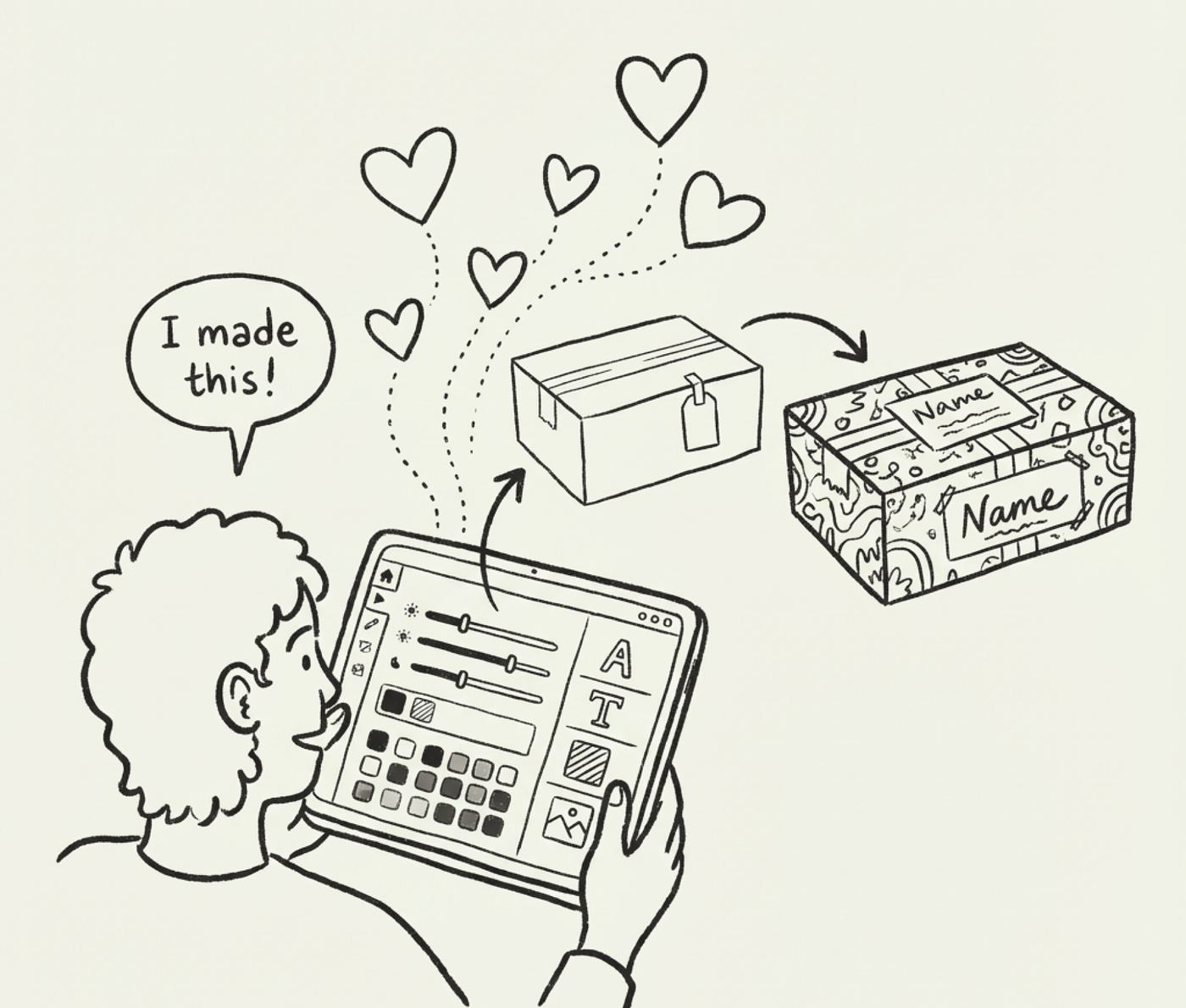
💡 Podifai Tip: Personalization isn’t just about text fields on product pages — it’s about shaping the process before, during, and after checkout.
What is customization impact on consumer loyalty (2026)?
This section covers what is customization impact on consumer loyalty (2026) with practical insights and actionable recommendations for e-commerce businesses.
Key shifts in behavior:
- Breaking Discount Apathy: Tired of “points for coupons,” shoppers now stay loyal for unique relationships and recognition.
- Generational Expectations: 51% of Gen Z and 53% of Millennials will spend more for personalized shopping experiences. (Source: Salesforce State of the Connected Customer, 2024)
- Silent Loyalty: 53% of 2025's consumers are "quiet loyalists" — they don't comment or engage online but remain long-term customers when personalization keeps them connected. (Source: SAP Emarsys Customer Loyalty Index, 2024)
- Retention Economics: Just a 5% increase in retention can boost profits by a staggering 25% to 95%. (Source: Bain & Company / Reichheld, 1996)
🎯 Pro Insight: Personalized ecommerce experiences lock in loyalty by making customers feelseen, even without sending them discount codes.
What is benefits of personalization without discounts?
Benefits of personalization without discounts are higher perceived value, clearer differentiation, and more room to protect gross margin. Instead of training shoppers to wait for sales, the store gives them a reason to pay for a version that matches their taste, gift need, or use case.
Top benefits:
- Higher AOV & Conversion: Relevant product recommendations increase average order value by 10%+ — no price cuts needed. (Source: McKinsey, 2024)
- Reduced Friction: Tailored product discovery means customers find what they want faster — and buy at full price with confidence.
- Operational Efficiency: Say goodbye to wasted ad spend. Data guides marketers to the right channels for each user.
- Inventory Intelligence: Knowing exactly what customers want means fewer stockouts and zero “end-of-season clearance panic.”
What is technology trends enabling personalization (2026)?
Technology trends enabling personalization are the tools that make custom buying flows faster to configure and easier to maintain. In 2026, the useful stack is less about generic AI copy and more about first-party data, conditional product options, live previews, file upload, and cleaner production handoff.
Tech stack hot list:
- Hyper-Personalization (AI/ML): Real-time adjustments based on weather, location, and behavior.
- Predictive + Generative AI Combo: Predictive algorithms forecast buying moments; Generative AI makes personalized content at scale.
- First-Party Data Focus: Quizzes, account preferences, and direct interactions replace unreliable cookies.
- Phygital Integration: Geofencing plus interactive in-store tech bridge the gap between online and physical retail.
What is personalization vs. discounting: profitability analysis?
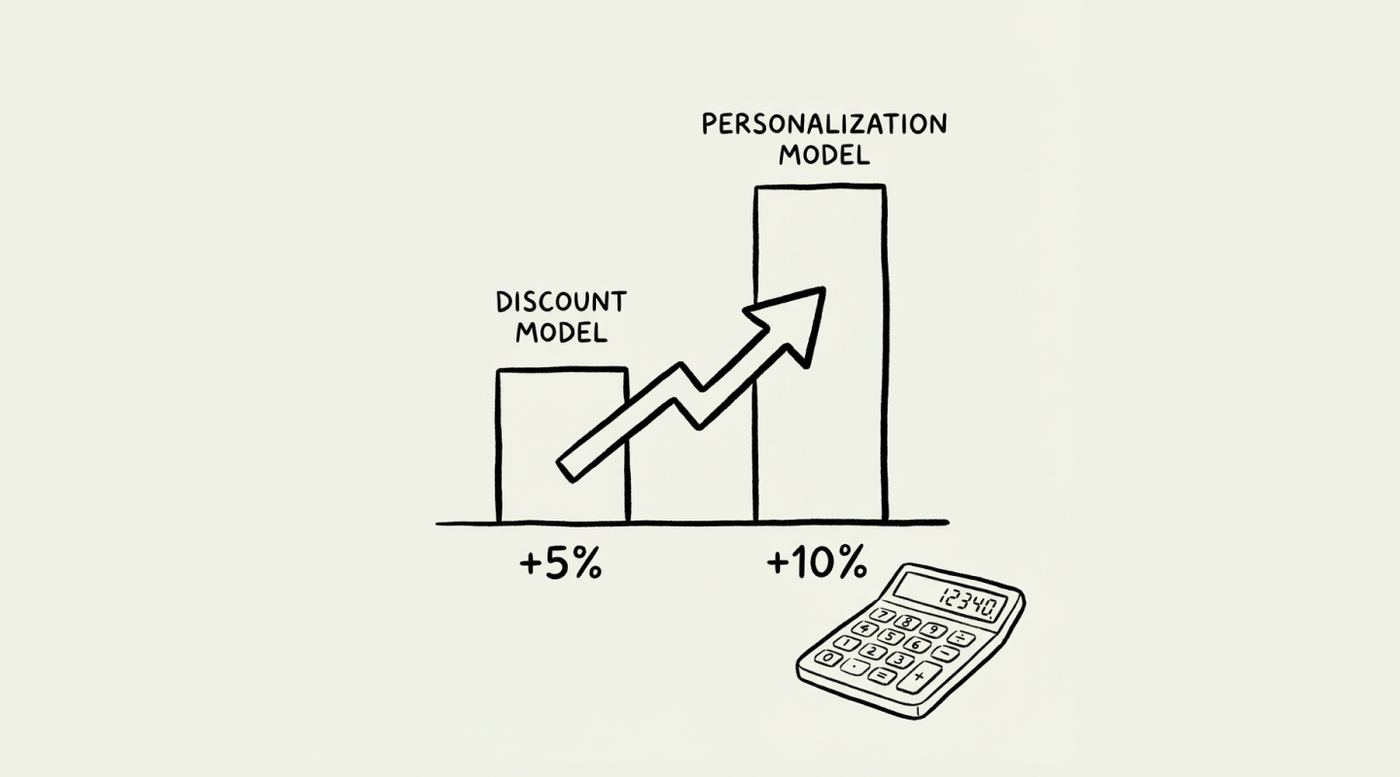
Personalization versus discounting is a margin tradeoff between earning a premium through relevance and giving margin away through price cuts. A personalized product may add setup or production complexity, but it can also reduce the need for markdowns when the shopper understands what makes their item unique.
| Metric | Discount Heavy Model | Personalized Premium Model | Impact |
|---|---|---|---|
| Gross Margin | 60% | 65% | +5% |
| Markdown Rate | 15–20% inventory | <5% | Margin Saved |
| Return Rate | 20–30% | 10–15% | Cost Saved |
| Customer Acquisition Cost | High | Lower | Efficiency |
| Net Profit Margin | 10–15% | 22–28% | ~2x Profitability |
💡 Even if COGS is slightly higher for personalized products, eliminating markdowns and cutting returns flips the net margin into the profit zone.
What is case studies: luxury brands winning without discounts?
Luxury-brand personalization case studies are examples of brands using scarcity, choice, and made-for-you experiences to protect premium positioning. The useful lesson for Shopify merchants is not to copy luxury pricing, but to make customization feel intentional, visible, and easy to understand.
Ferrari
Scarcity plus infinite customization — stitching, colors, interiors. Result? 27% operating margins without touching the “discount” button. (Source: McKinsey Retail Practice, 2023)
Sephora
Tiered loyalty + personalized offers for wishlist items = higher conversion without store-wide sales. A/B testing custom options helps you optimize these strategies further.
Nike (Nike By You)
Custom shoes command 20–30% price premiums — made to order means no markdown risk. (Source: Nike / Industry Data, 2025)
Louis Vuitton
Strict no-discount policy reinforced by deep client relationships. Private viewings create “investment” appeal for products.
What is consumer behavior shifts (2026)?
- Return of Touch: Physical retail is back, but enhanced digitally — a store that greets you with your wishlist ready to browse.
- Transparency & Control: Shoppers willingly share data when they trust how it’s used.
- Quiet Luxury: Less flashy logos; personalization becomes the top flex.
What is role of ai in personalized marketing?
This section covers what is role of ai in personalized marketing with practical insights and actionable recommendations for e-commerce businesses.
- Predictive Analytics: Spots churn risk early, responds with personalized gestures — not discount bribes.
- Visual Search & Styling: AI suggests purchases based on your actual wardrobe photos.
- changing Content: Websites rearrange live to match your unique process.
What is latest words:?
Personalization is shaping retail into something far more human. By 2026, the brands that win won’t just sell products — they’ll sell experiences so deeply tailored you won’t even think of waiting for a sale.
If you’re in ecommerce, you’ve got a choice: keep chasing discount-driven churn, or double down on personalization-driven loyalty. And with Podifai, you can start your own customizable product process in minutes — no code, no dev bills, no clunky UI.
What is podifai: where personalization meets innovation?
Podifai is a Shopify product customization app for merchants who want to sell personalized products without custom development. It helps stores add product options, conditional logic, live previews, and cleaner order data so personalization can support full-price selling instead of discount-heavy campaigns.
Frequently Asked Questions
What types of data are used for e-commerce personalization?
E-commerce personalization uses browsing history, purchase data, demographic information, device types, and behavioral patterns. This data helps predict preferences and customize shopping experiences accordingly.
How much can personalization increase sales?
Studies show personalization can increase conversion rates by 15-20% and average order value by 10-30%. The exact impact depends on implementation quality and customer segment. (Source: VWO / Multiple sources, 2025)
Is personalization expensive to implement?
Basic personalization tools start at $50-200 monthly for small businesses. Enterprise solutions range from $500-5000+ monthly, but ROI typically justifies costs within 3-6 months. (Source: Shopify App Store pricing data, 2025)
Does personalization work for small e-commerce stores?
Yes, even simple personalization like product recommendations and targeted email campaigns can significantly impact small stores. Many affordable tools cater specifically to smaller businesses.
What are the privacy concerns with personalization?
Personalization requires careful data handling to comply with GDPR and CCPA. Transparent privacy policies and secure data storage are essential for maintaining customer trust.